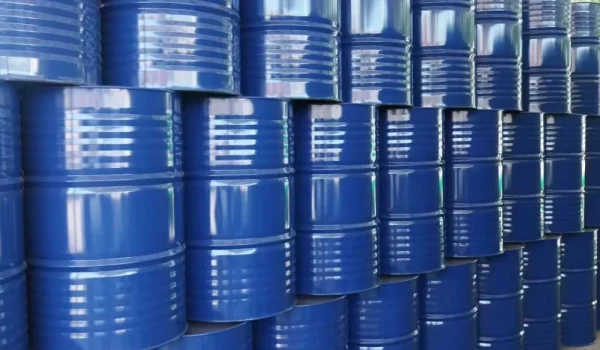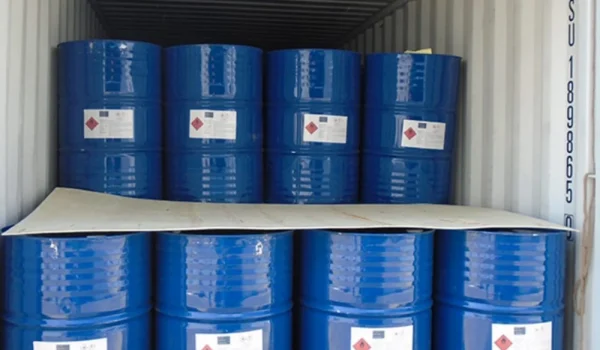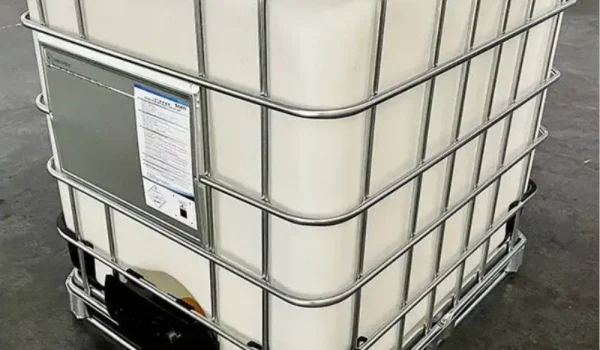
Propylene Glycol (1,2-Propylene Glycol, PG) is a colorless, transparent, low-toxicity and hygroscopic dihydric alcohol. It is divided into three grades: Industrial Grade, Food Grade, and Pharmaceutical/Cosmetic Grade. With excellent solubility, moisturizing performance and chemical stability, it is a fundamental and essential chemical raw material widely used in industrial manufacturing, food processing, pharmaceutical production, daily cosmetics and other fields.
1.Industrial Field (Industrial Grade PG)
It is the largest consumption field of propylene glycol, mainly applied in industrial manufacturing scenarios with high stability requirements.
– Unsaturated Polyester Resin (UPR): As the core raw material for polyester polymerization, it is widely used in FRP products, anti-corrosion coatings, artificial stone, automobile shells, ship accessories and sanitary ware.
– Antifreeze & Coolant: A safe and environmentally friendly substitute for ethylene glycol, used for central air conditioning refrigerants, food and pharmaceutical equipment antifreeze fluids, airport deicing fluids and industrial circulating water antifreeze solutions, featuring low corrosion and good low-temperature resistance.
– Solvent for Coatings, Inks & Cleaners: Serves as a film-forming auxiliary agent and dispersant for water-based industrial paints, wood paints, screen printing inks and industrial cleaning agents, effectively improving film flatness and pigment dispersion. It is also applicable to pesticide emulsifiers and agricultural auxiliary agents.
– Polyurethane & Rubber Industry: Used as chain extender and plasticizer for PU soft/hard foam, as well as lubricant for plastic and rubber products, improving the flexibility and toughness of new energy vehicle interior materials and thermal insulation board materials.
– Other Industrial Uses: Applied in hydraulic oil, metal working fluid, flue gas desulfurization additives and construction admixtures.
2.Food Industry (Food Grade PG)
Compliant with GB29216, GB2760 and FCC food standards, certified as a legal food additive (INS1520). Only food-grade propylene glycol is allowed for food processing.
– Moisturizer and softener for pastries, bread, noodles and dumpling wrappers to prevent dry cracking and extend shelf life;
– Anti-crystallization agent and smoothness improver for ice cream, sorbet and gummy candies;
– Special solvent for edible flavors, fragrances and food colorants;
– Carrier and humectant for condiments, beverages and liquor products;
– Fresh-keeping auxiliary for fruits and food packaging materials.
3.Pharmaceutical Industry (Pharma Grade PG)
Compliant with USP/CP pharmacopoeia standards with ultra-high purity (≥99.8%), strictly controlled heavy metals and endotoxin indexes, it is a high-standard pharmaceutical auxiliary material.
– Solvent for oral liquids, syrups and tinctures to improve the solubility of insoluble drugs;
– Substrate for external ointments, gels and patches, promoting skin penetration and moisturizing;
– Stabilizer and cryoprotectant for partial injections and biological vaccines;
– High-purity auxiliary materials for veterinary pharmaceutical preparations.
4.Cosmetics & Personal Care Industry (Cosmetic Grade PG)
It is a classic and mild humectant and solvent in daily chemical products, widely used in high-end personal care products.
– Moisturizing ingredient for toner, lotion, essence and cream to repair skin cuticle and lock moisture;
– Solvent and preservative auxiliary for shampoo, conditioner, toothpaste and mouthwash;
– Softener for foundation, lipstick and hair dye to avoid paste drying and cracking;
– Basic carrier solvent for e-liquid atomization.
5.Tobacco Industry
Used as a professional humectant and mildew inhibitor for tobacco leaves and cigars, which prevents tobacco leaves from drying and breaking, optimizes burning taste and effectively inhibits mildew growth.