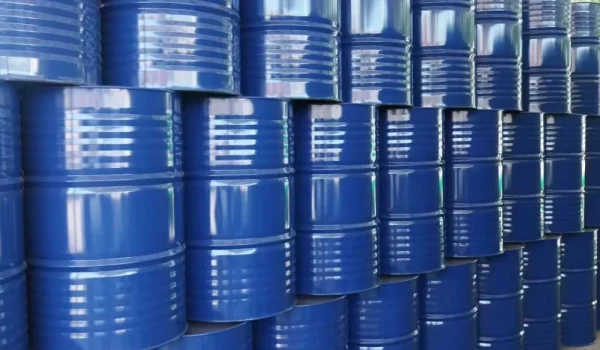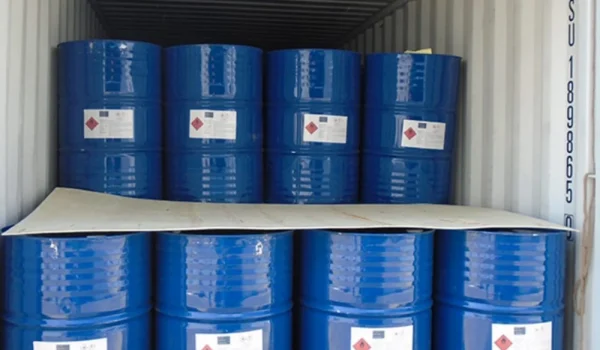
Glacial Acetic Acid (GAA, Anhydrous Acetic Acid, CAS: 64-19-7) is a colorless, transparent, and highly hygroscopic organic monobasic acid. It appears as ice-like crystals below 16.6℃, hence the name “glacial”. Classified into Industrial Grade, Food Grade, and Pharmaceutical Grade, it features strong acidity, excellent solubility and chemical activity. As one of the most fundamental organic chemical raw materials, it is widely applied in chemical synthesis, food processing, pharmaceutical manufacturing, textile printing and dyeing, environmental disinfection and other industrial fields.
1.Chemical Industrial Field (Industrial Grade GAA)
It is the core consumption area of glacial acetic acid, serving as an essential intermediate for fine chemical synthesis and polymer manufacturing.
– Acetate Chemical Synthesis: The primary raw material for producing vinyl acetate monomer (VAM), acetic anhydride, ethyl acetate, butyl acetate and other acetate products. These downstream materials are widely used in adhesives, coatings, synthetic resins and plastic processing industries.
– Polymer & Resin Industry: Applied in the production of terephthalic acid and polyester materials, supporting the manufacturing of PET plastic bottles, polyester fibers and engineering plastics; also used as a polymerization auxiliary for unsaturated resins.
– Pesticide & Fine Chemicals: Used as a reaction solvent and acidifier for pesticide intermediates, herbicides and insecticides, improving reaction efficiency and product stability; also applicable in the synthesis of industrial flavors and fragrances.
– Industrial Cleaning & Disinfection: Raw material for preparing peracetic acid disinfectant, with efficient bactericidal and antifungal properties, widely used in industrial equipment cleaning, pipeline sterilization and public area disinfection.
– Other Industrial Scenarios: Serves as pH regulator, metal surface treatment agent and corrosion inhibitor in electroplating, metallurgy and water treatment industries.
2.Food Industry (Food Grade GAA)
Compliant with FCC, E260 food additive standard and national food safety specifications, food-grade glacial acetic acid is a legal food acidity regulator, preservative and flavor enhancer, which must be used exclusively for food processing.
– Seasoning & Food Processing: Diluted and processed into edible vinegar, widely used in pickles, sauces, condiments and fermented food to adjust sour taste and improve flavor.
– Antiseptic & Fresh-Keeping: Inhibits the growth of bacteria and molds in baked goods, canned food and preserved fruits, effectively extending food shelf life.
– pH Adjustment: Stabilizes the pH value of beverages, dairy products and processed foods, ensuring product taste and quality consistency.
3.Pharmaceutical Industry (Pharma Grade GAA)
High-purity pharma-grade glacial acetic acid with strictly controlled impurities, heavy metals and microbial indicators, compliant with international pharmacopoeia standards, serving as a professional pharmaceutical auxiliary material and laboratory reagent.
– Drug Synthesis: Key raw material for synthesizing aspirin, antibiotics, vitamins and various pharmaceutical intermediates, ensuring the purity and safety of pharmaceutical products.
– Pharmaceutical Preparation Auxiliary: Used as pH regulator and solvent for oral liquids, external ointments and eye drops, stabilizing pharmaceutical properties and improving drug solubility.
– Medical & Laboratory Use: Applied in blood dialysis solution preparation, medical specimen testing and chemical analysis experiments in scientific research laboratories.
4.Textile & Dyeing Industry
A indispensable auxiliary agent for textile printing and dyeing and fiber processing.
– Dye Fixing & Color Adjustment: Adjusts the acidity of dyeing solution, promotes dye adhesion on fabric fibers, improves color fastness and avoids color fading and uneven dyeing.
– Fiber Processing: Used in the production and finishing of acetate fiber, polyester fiber and cotton textiles, softening fiber texture and optimizing textile hand feel and gloss.
– Textile Cleaning: Removes alkaline residues and impurities on fabric surfaces in the post-processing stage of textiles.
5.Leather & Rubber Industry
– Leather Tanning: Acts as a tanning auxiliary and pH stabilizer in leather processing, improving leather softness, toughness and finished product appearance.
– Rubber Processing: Used as a coagulant and conditioning agent in rubber production, optimizing rubber molding performance and enhancing product stability.